
Is Bamboo the Next Japanese Knotweed?
In recent times, bamboo has been increasingly gaining media attention as a plant with potential invasive tendencies, sparking concerns that it might become the next Japanese Knotweed (JKW). While bamboo has long been admired for its versatility and aesthetic appeal, it’s essential to recognise its potential to exhibit invasive behaviour and the similar effects it may have on ecosystems and infrastructure.
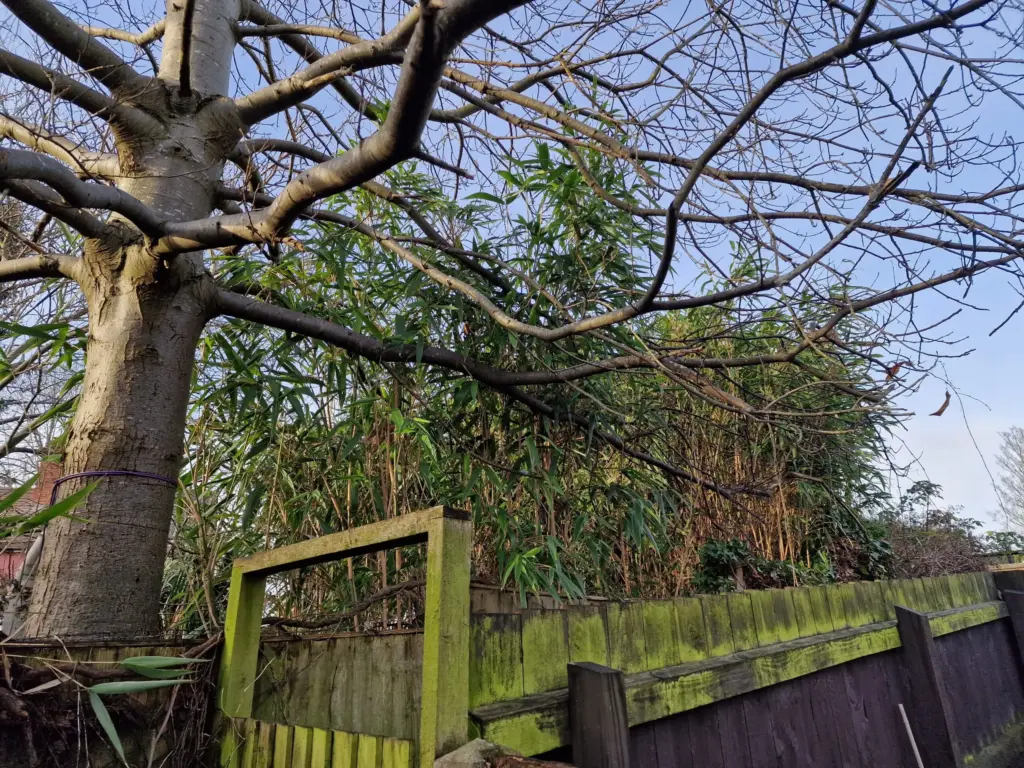
Certain bamboo species, particularly some running or spreading varieties, possess traits that enable them to rapidly colonise new areas and outcompete native vegetation. Like Japanese Knotweed, bamboo can spread through extensive underground rhizomes, allowing it to establish itself quickly and cover significant areas. Once established, it can become challenging to control and eradicate due to its resilient growth and regenerative capabilities from small rhizome fragments.
The dense growth of bamboo can also lead to biodiversity loss and habitat degradation by outcompeting native plants and altering local ecosystems. Additionally, the aggressive root systems of certain bamboo species may cause structural damage to buildings, roads, and drainage systems, similar to the issues posed by Japanese Knotweed.
Although bamboo is not yet as widely considered a problem on the scale of Japanese Knotweed, the growing media attention and its potential to display invasive behaviour are raising concerns among environmentalists and policymakers. As with any invasive species, prevention is crucial, and efforts are being made to raise awareness about the proper management of bamboo and the use of non-invasive clumping bamboo varieties in landscaping and restoration projects.
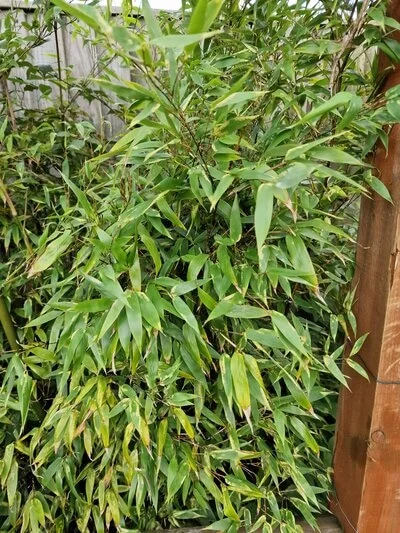
While bamboo may not be the next Japanese Knotweed in terms of scale and impact, it serves as a reminder of the importance of being vigilant about the introduction and spread of potentially invasive plants. Sustainable and responsible planting practices, coupled with proactive management strategies, can help mitigate the ecological and economic impacts of invasive plant species and safeguard native ecosystems and infrastructure.