
Japanese Knotweed: A Formidable Invasive Plant
Japanese Knotweed (Fallopia japonica) is a highly aggressive and notorious invasive plant species that has garnered significant attention worldwide. Originally introduced as an ornamental plant from East Asia, it has rapidly spread across various continents, causing substantial ecological and economic impacts.
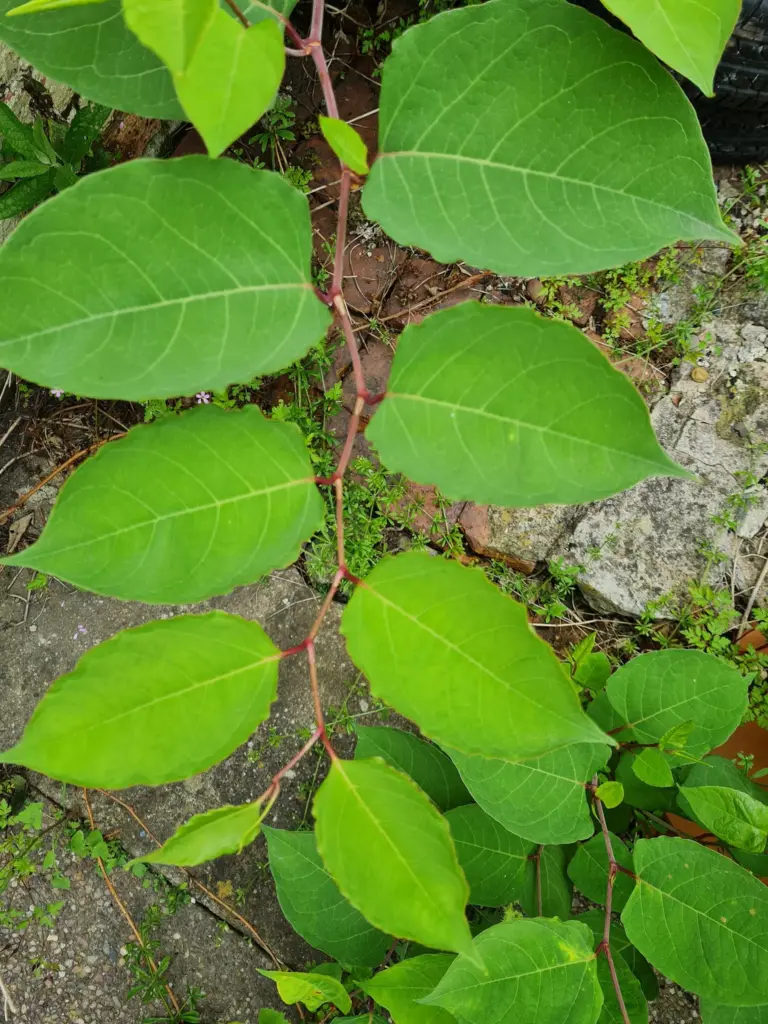
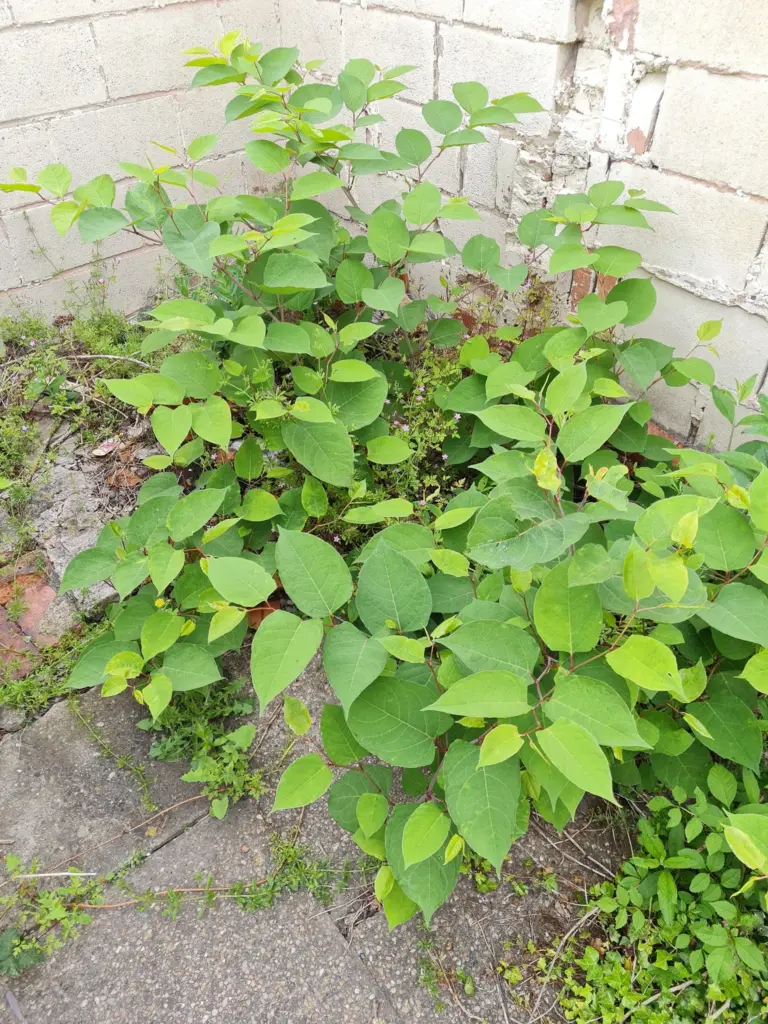
Characterised by its bamboo-like stems, heart-shaped leaves, and clusters of small white flowers, Japanese Knotweed can grow up to three metres in height. While its appearance may seem harmless, this plant possesses remarkable resilience and an unparalleled ability to invade different habitats.
One of the most concerning aspects of Japanese Knotweed is its rapid growth and reproductive capabilities. It can spread through its extensive underground rhizome network, enabling it to colonise vast areas quickly. The plant’s ability to regenerate from even a small fragment of its rhizome makes it incredibly difficult to eradicate once established.
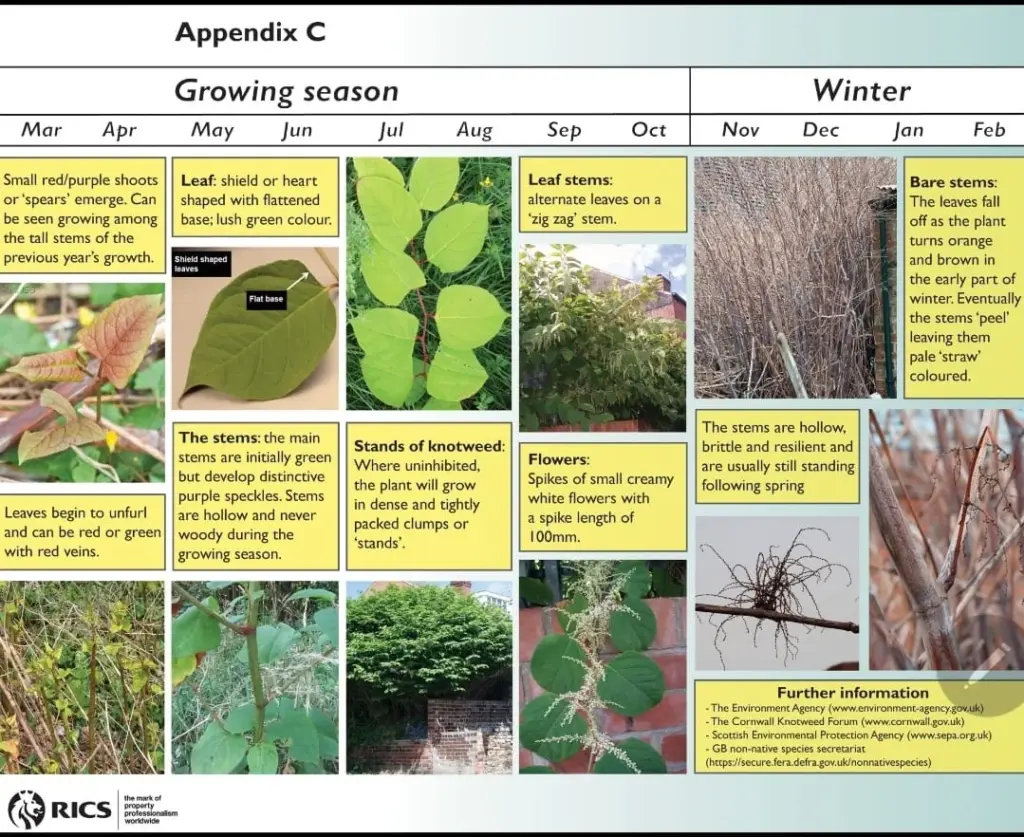
Japanese Knotweed poses numerous threats to ecosystems and infrastructure. Its dense growth can smother and outcompete native vegetation, leading to biodiversity loss and habitat degradation. The plant’s large root system can also cause structural damage to buildings, roads, and drainage systems, resulting in substantial financial burdens for landowners and local authorities.
Efforts to control Japanese Knotweed have proven challenging due to its tenacious nature. Traditional eradication methods, such as cutting or digging, often exacerbate the issue by promoting further growth. As a result, integrated management approaches involving chemical treatments, excavation, and ongoing monitoring are typically required to combat this invasive species effectively.
Recognising the severity of the problem, many countries have implemented regulations to restrict the spread of Japanese Knotweed. It is crucial to raise awareness about this invasive plant among homeowners, developers, and land managers to prevent its unintentional introduction and spread.
In conclusion, Japanese Knotweed stands as a formidable invasive plant that demands attention and proactive management. Combating this species requires a collaborative effort from governments, communities, and environmental organisations to mitigate its ecological and economic impacts effectively. By understanding its characteristics and implementing effective control measures, we can strive towards preserving our native ecosystems and safeguarding our infrastructure from the detrimental effects of Japanese Knotweed.